
Rohingya project: Read the amazing Impact report for Year 1
Training and support for hundreds of refugee families & frontline workers
Pioneering public radio outreach to 350,000+ refugees
August 2026
Beyond Conflict and its partner Global Development Consortium (GDC) are delighted to announce the successful completion of the first year of our 3 -year project to support refugees and frontline workers in the Cox’s Bazar Rohingya refugee camp in Bangladesh.
Building on previous work, this year GDC has significantly widened its impact: by offering support and training to hundreds of refugees and frontline workers and by linking with a radio station transmitting in the camp to deliver powerful public information broadcasts on MH that have reached a staggering 350,000 refugees.
Combined with a telephone hotline run by GDC and its national network of psychiatrists and MH experts, as well as training of frontline workers whilst working directly with young refugees in the camp, we hope this project is beginning to develop solutions to address the unmet mental health crisis that exists in this community.
The Rohingya refugees number around 1.5 million people, 50 percent of whom are children, who escaped genocide by the Myanmar military in 2017/18. The Rohingyas remains one of the world’s largest refugee crises, with no end in sight. This is a forgotten crisis because so little attention is paid to the Rohingyas, a people who have lost family, community and country. Eight years on there is no prospect of going home, leading to trauma with too few resources to help them.
This is why Beyond Conflict is supporting a 3-year rolling project with GDC to deliver mental health support to children and adolescents in the camp, as well as training to the dedicated local frontline workers who serve them. This work is led by GDC Founders and Directors Golam Abbas and Dr Abul Saleh, who have decades of humanitarian experience between them. Abbas is a former UNHCR veteran at senior level who has spearheaded humanitarian efforts across the globe for 37 years. Dr Saleh is a respected British Bangladeshi psychiatrist with four decades experience who has built a national network of mental health practitioners in Bangladesh. Together they are changing lives in the camps.
By widening support and knowledge about mental health issues and how to address them, we hope we can boost MH capacity on the ground and advocate for greater resources to be allocated to this marginalised refugee community.
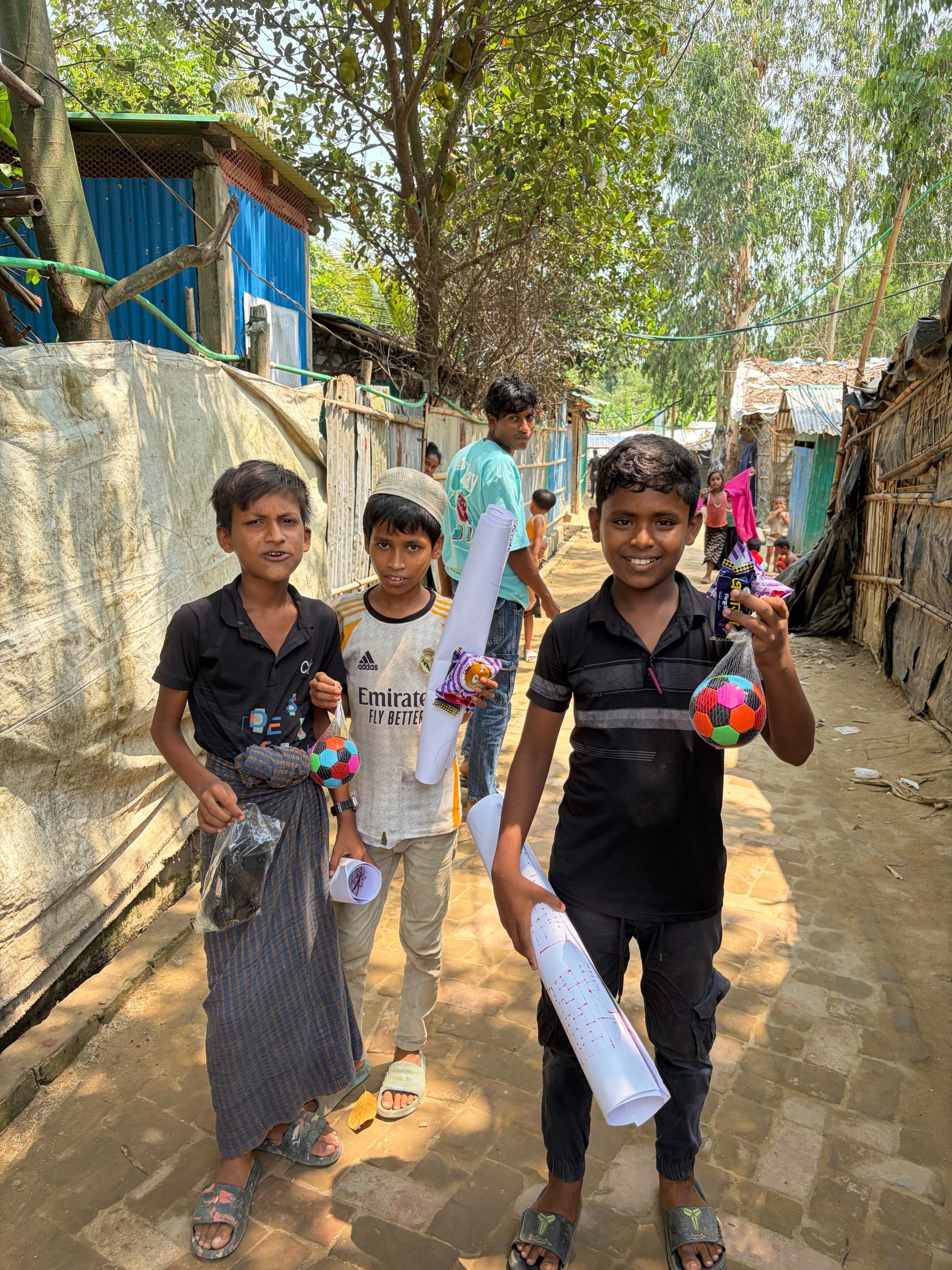
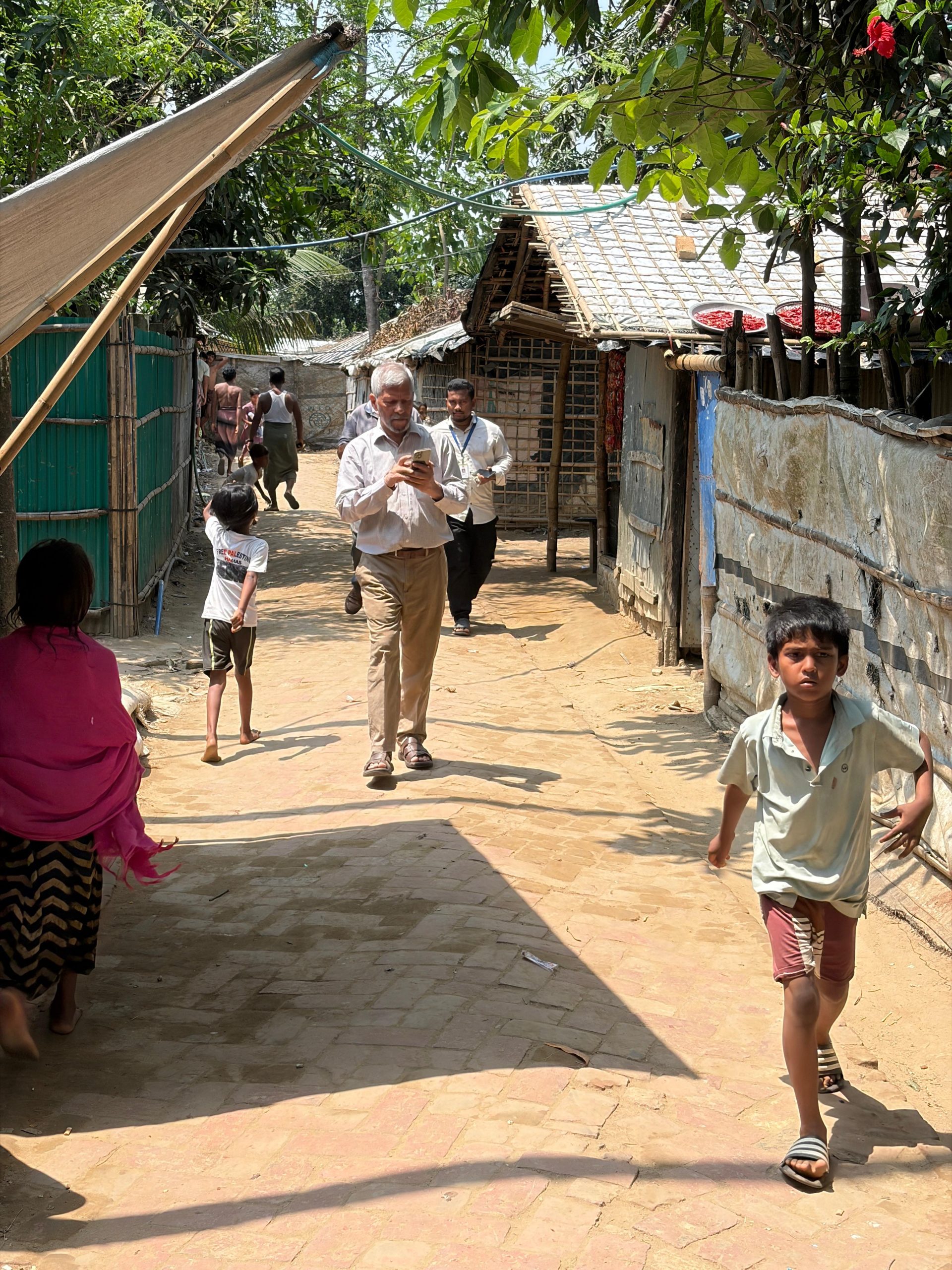
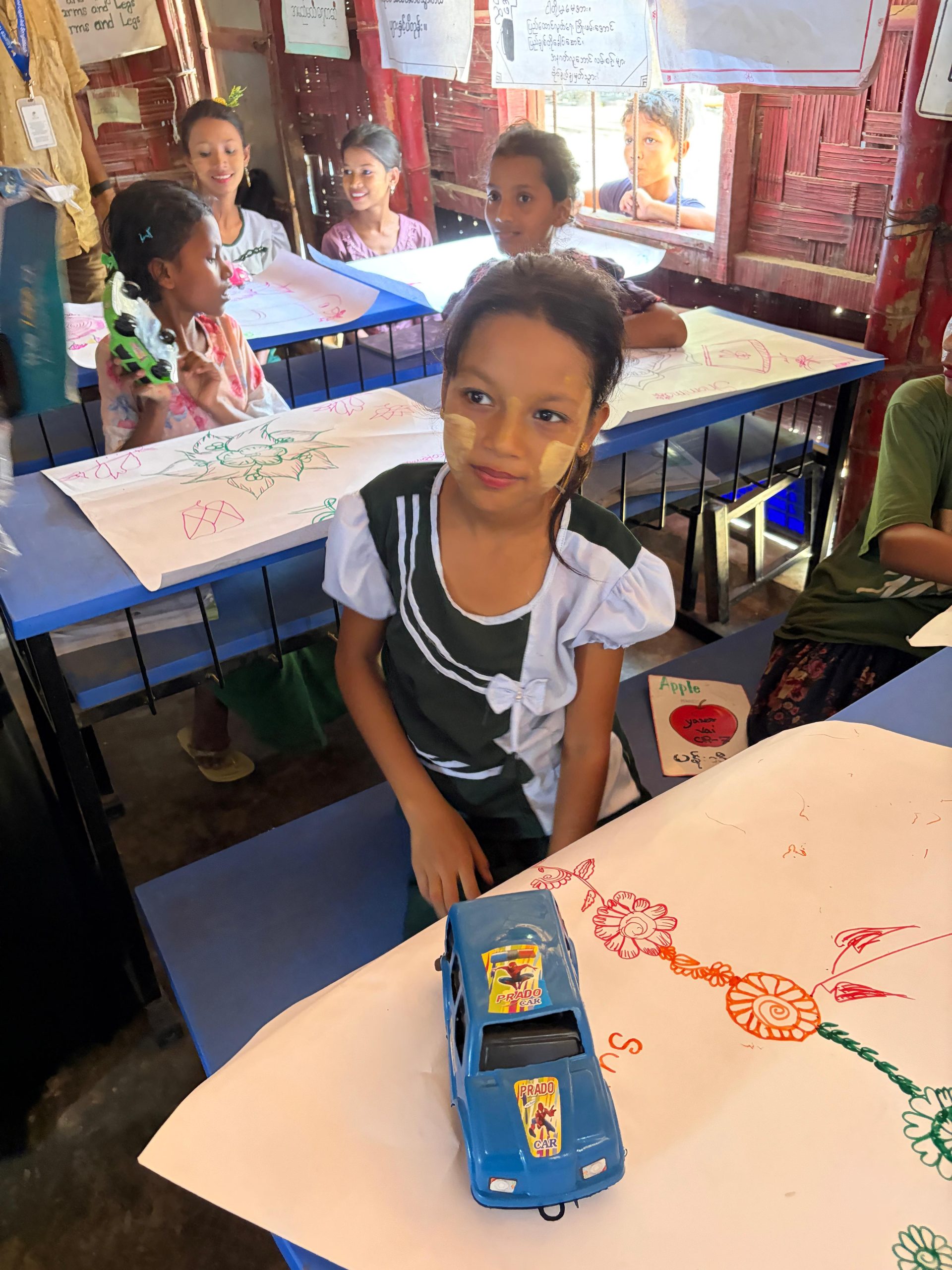
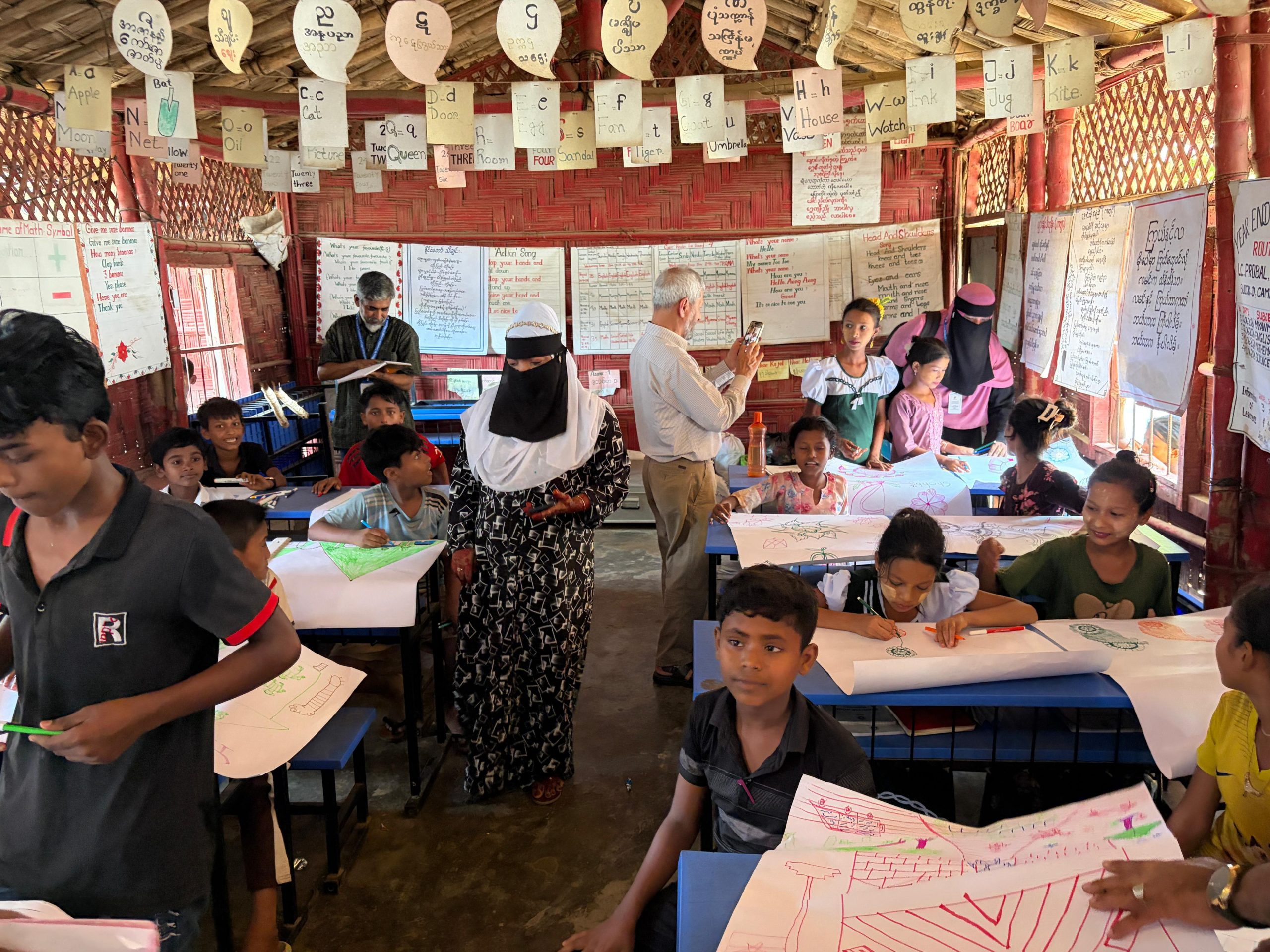
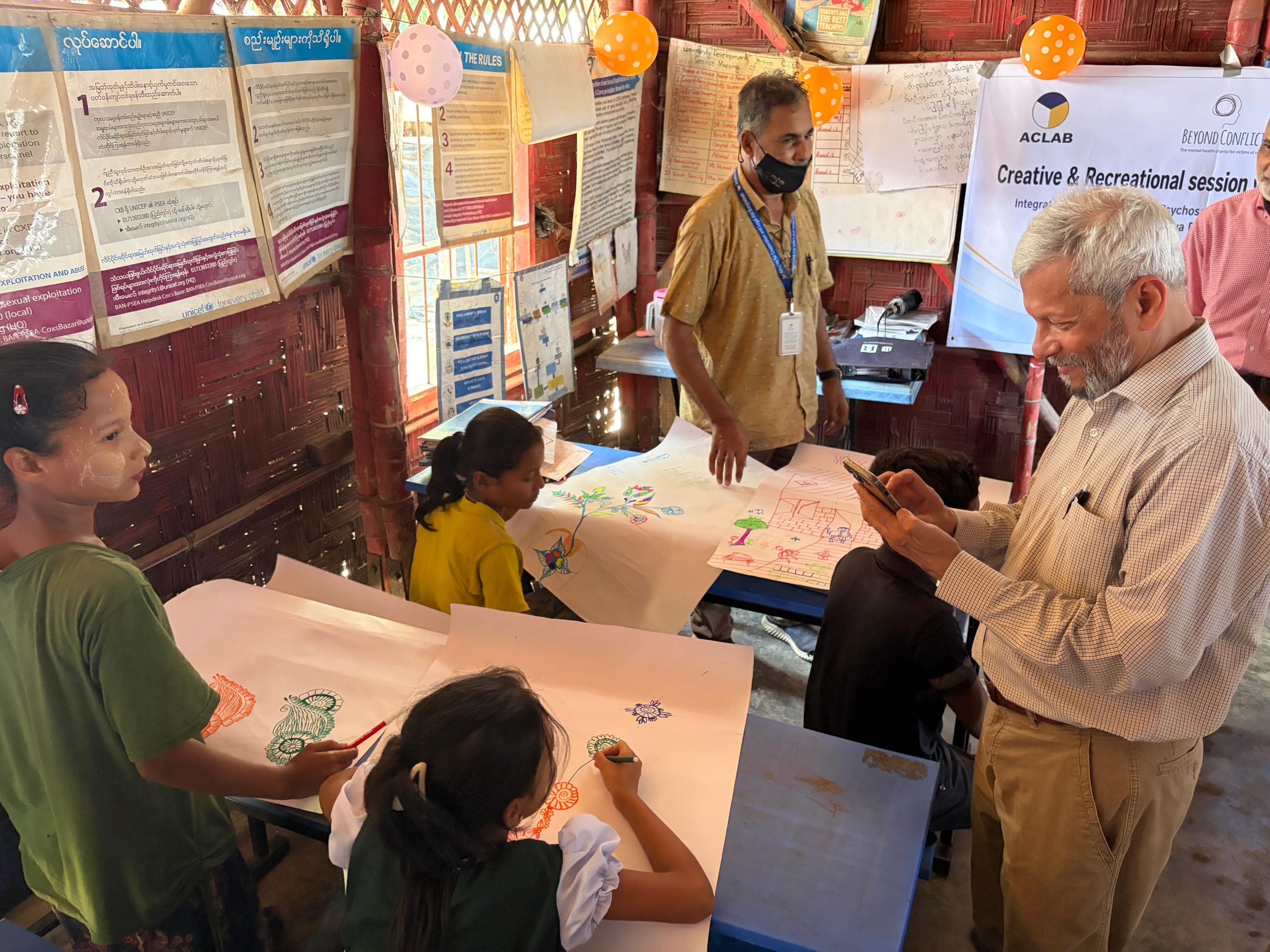
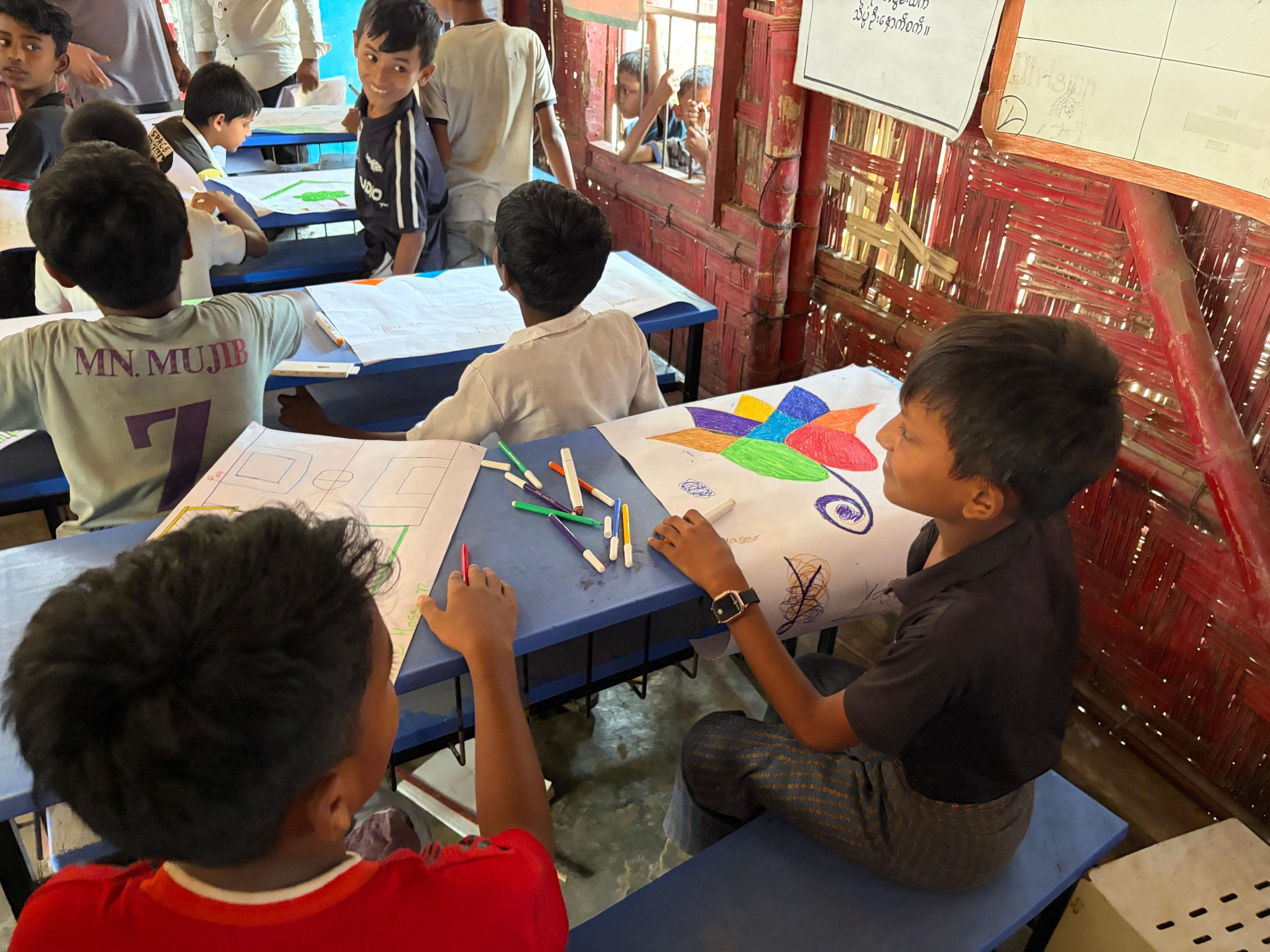
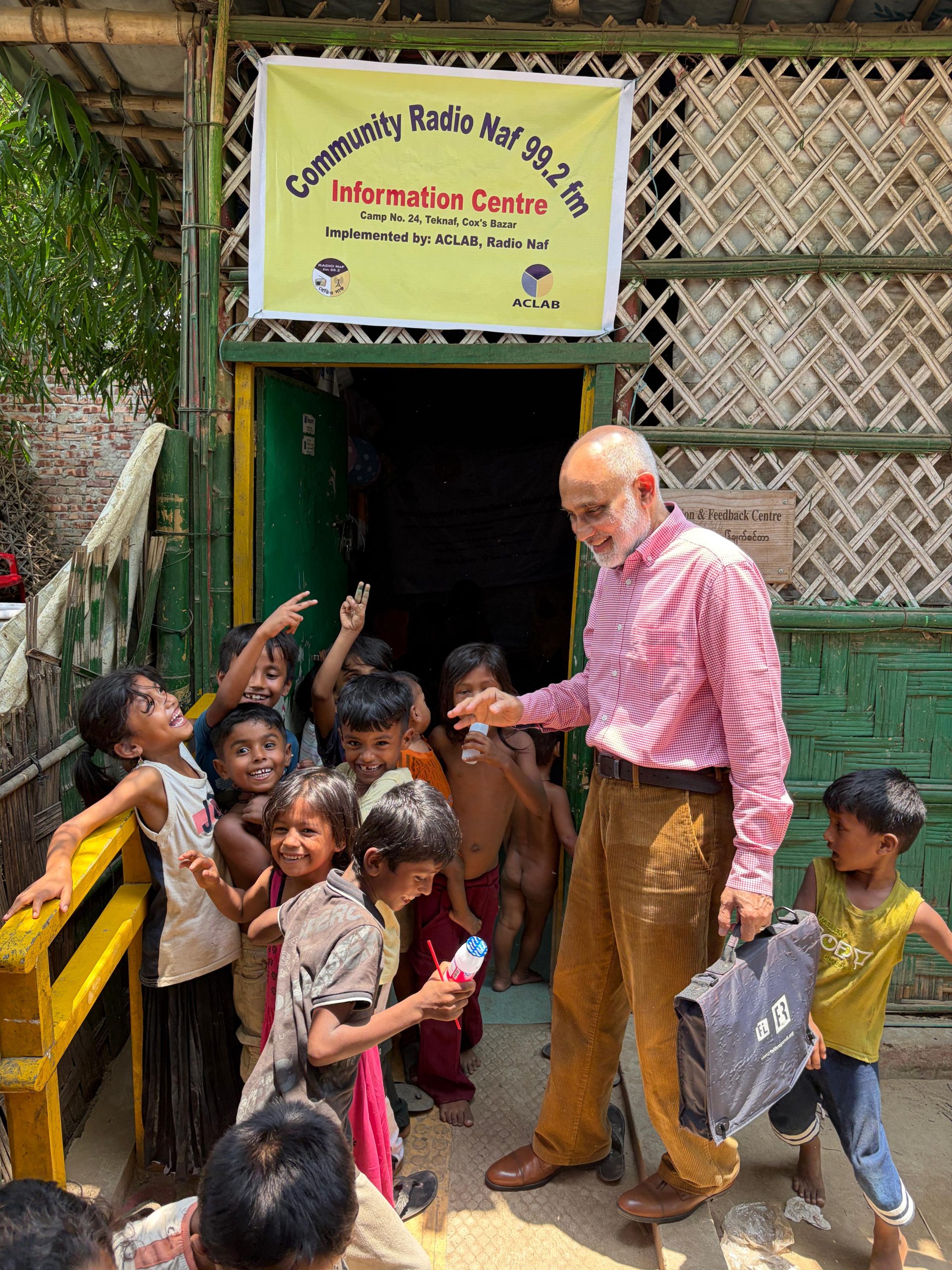
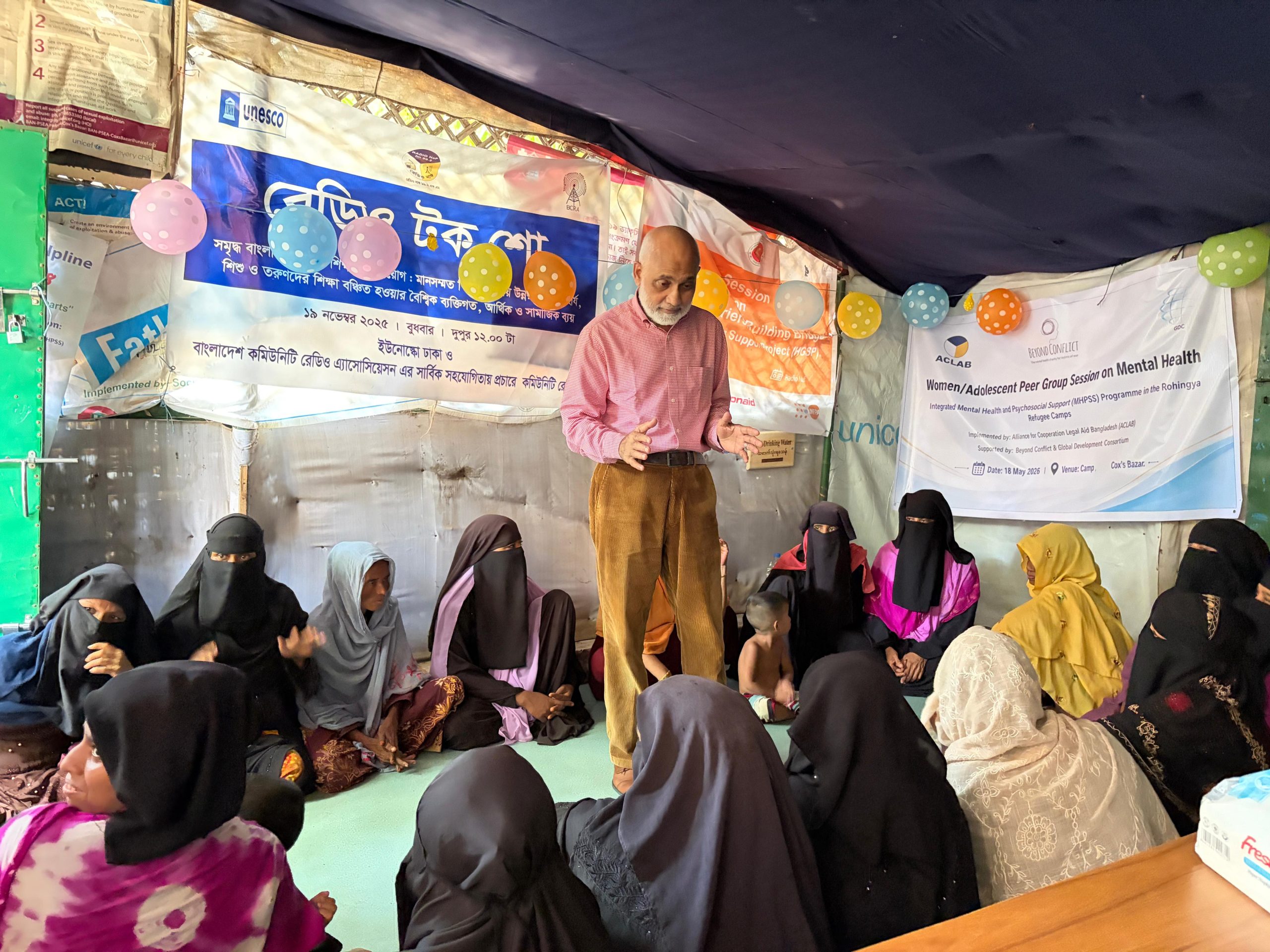
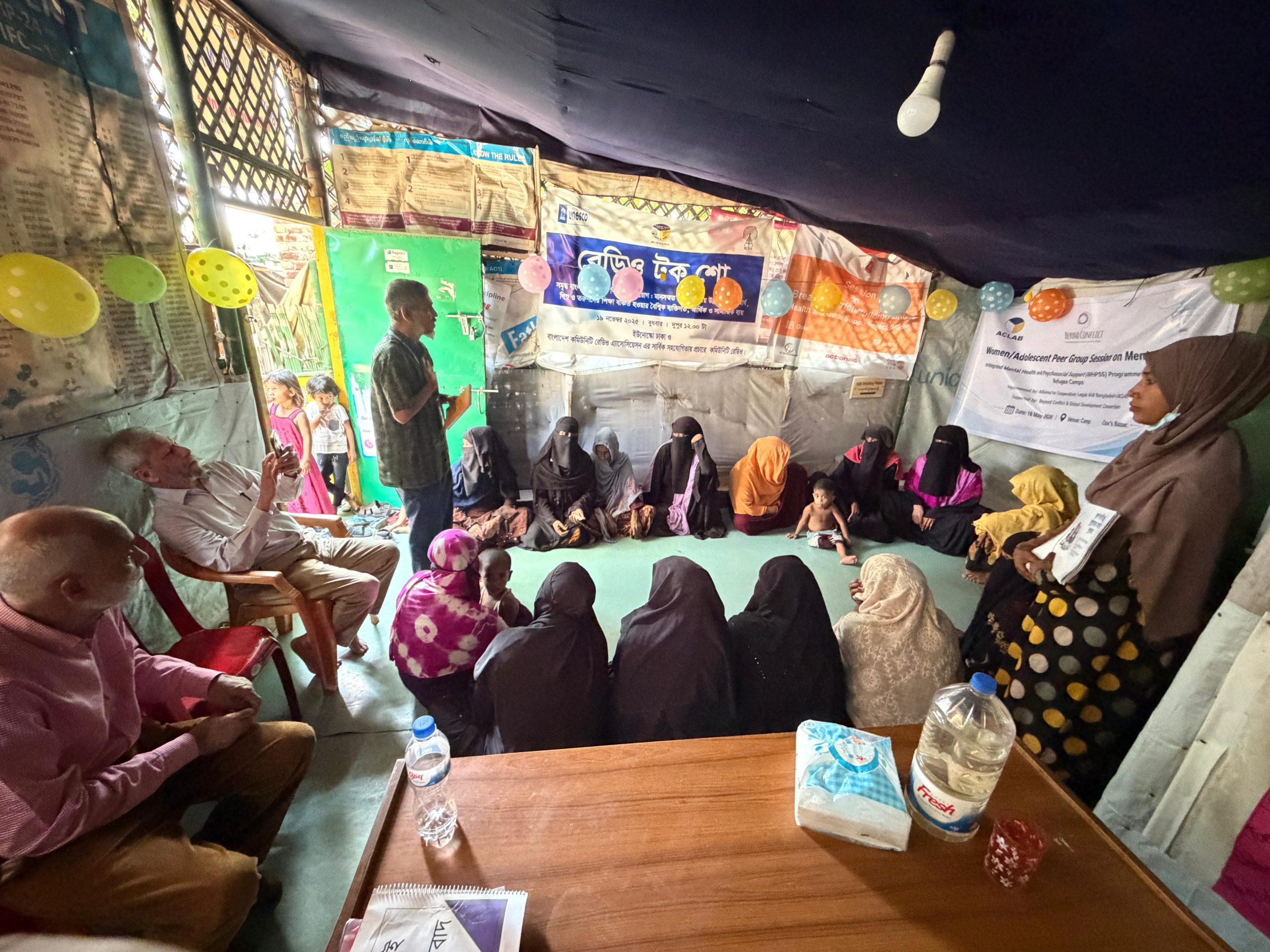
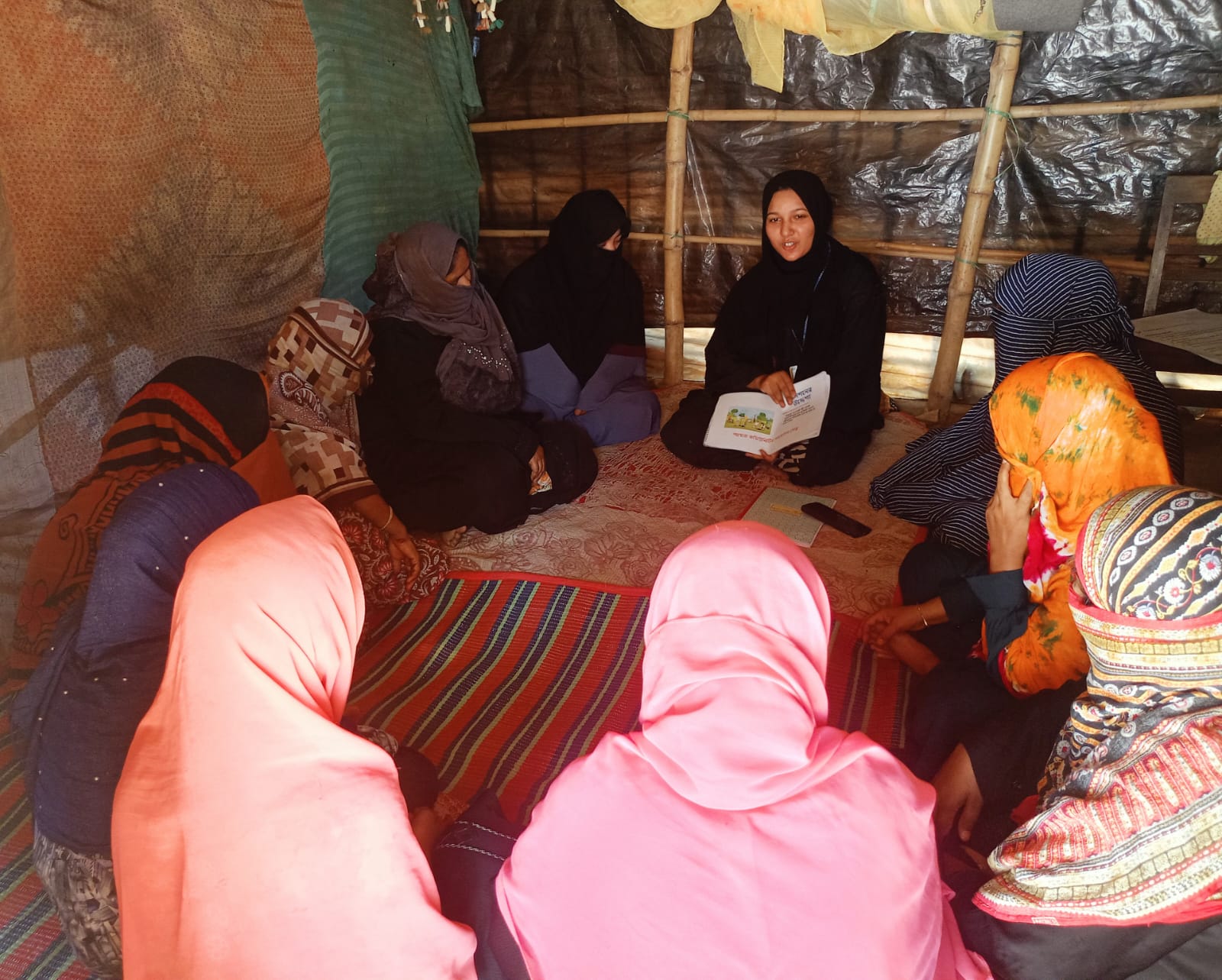
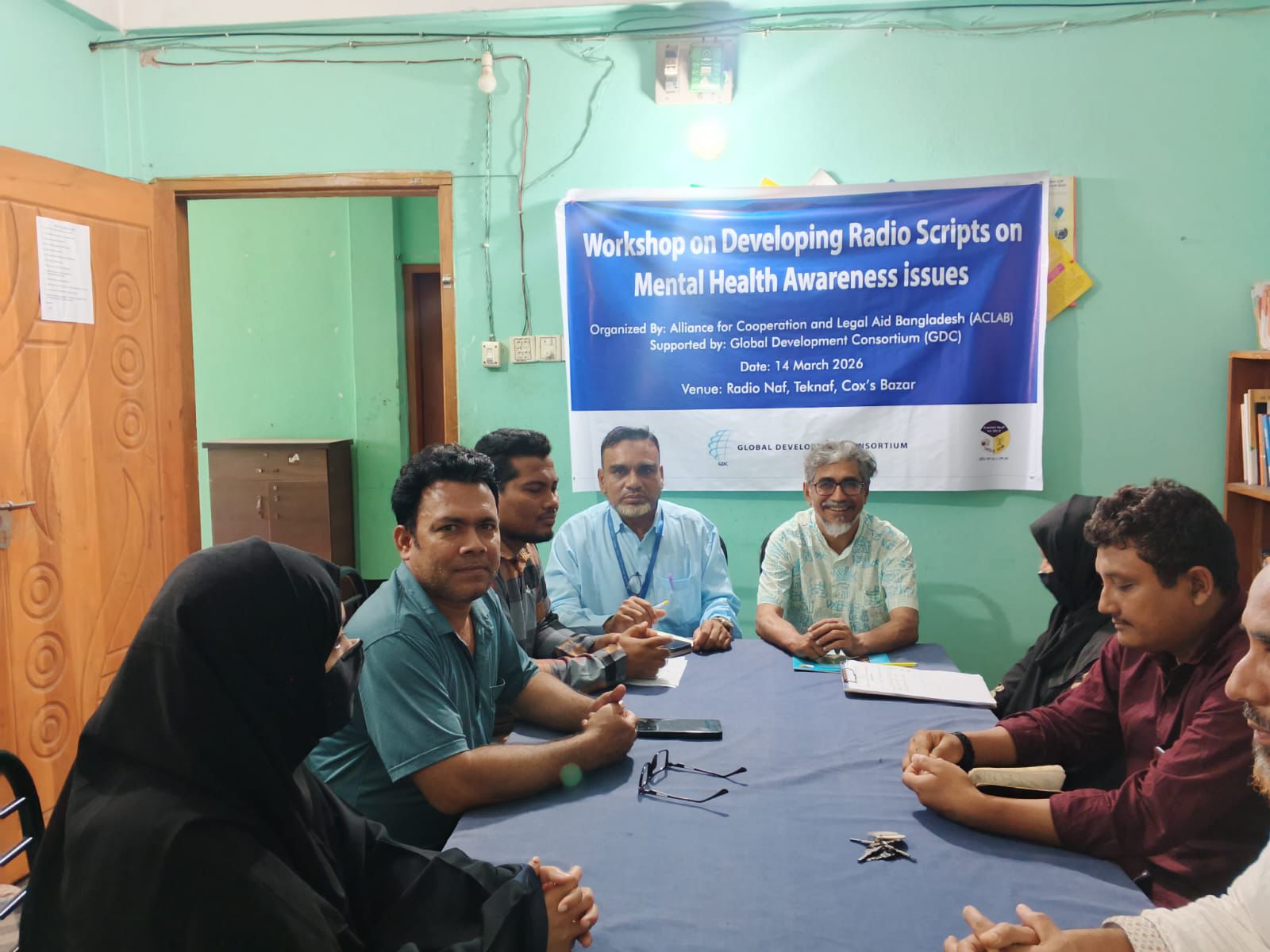
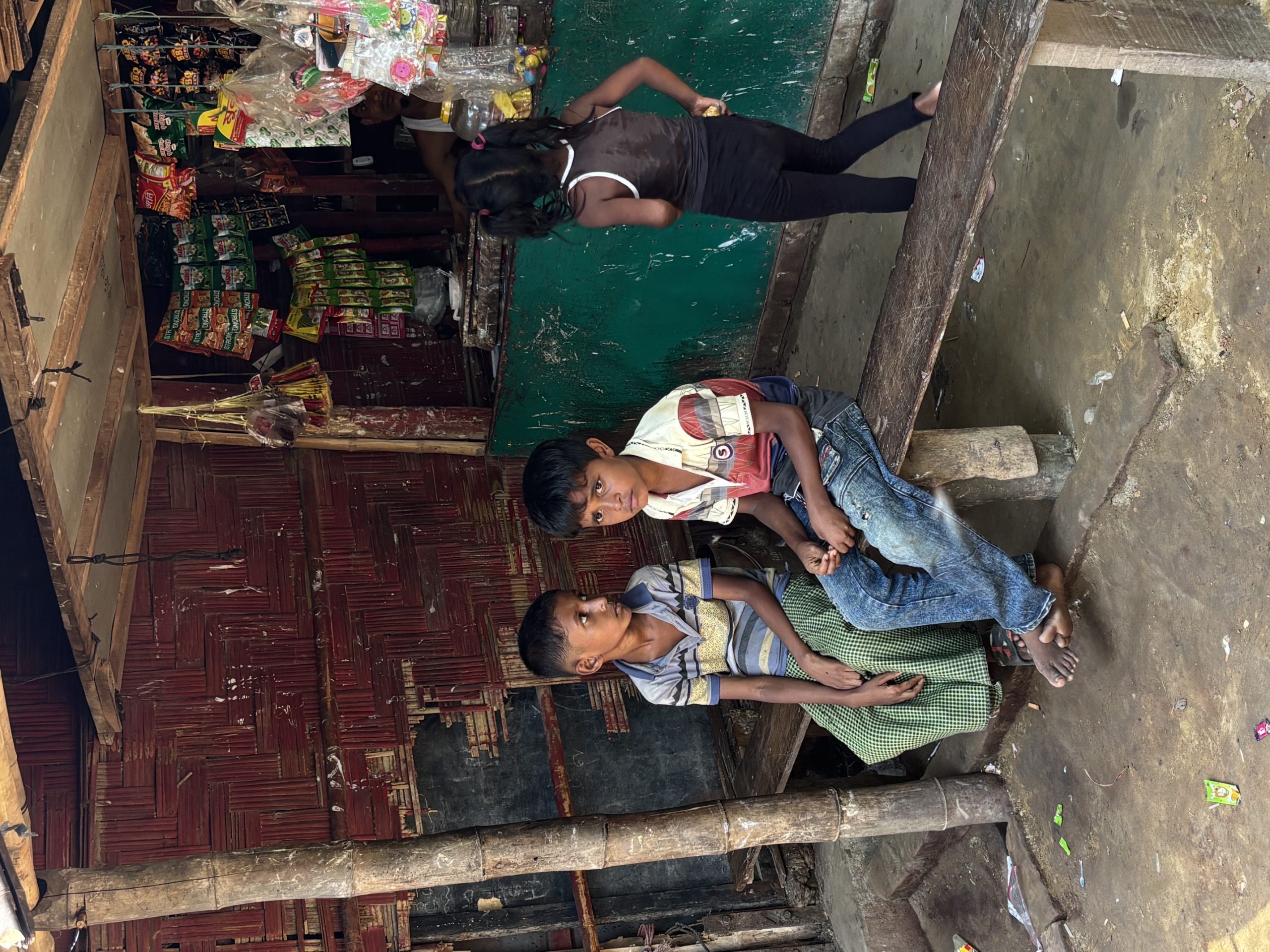
HERE ARE A FEW EDITED HIGHLIGHTS
- Established 22 peer support groups (male and female) across all 11 camps, directly engaging 264 community members in structured psychosocial support activities.
- Delivered 44 participatory peer education sessions covering stress management, active listening, empathy, confidentiality, and mental health referral pathways.
- Trained 31 frontline NGO staff from 13 organizations on MHPSS
- Reached an estimated 350,000+ beneficiaries through Radio Naf 99.2 FM via PSAs, live talk shows, radio drama, and weekly interactive programmes.
- Engaged 80 children and adolescents in creative and recreational sessions to promote emotional expression, resilience, and peer connection.
- Produced an 8-page flipchart-based training manual and standardized peer group facilitation framework for consistent field implementation.
- A “Manoshik Kosto” tele-mental health hotline.
WORK ON YEAR 2 BEGINS
With the high prevalence of trauma, depression and PTSD remaining, there is a continued need for this support to continue. Therefore, BC is continuing funding to GDC into year 2 to build on the work carried out so far.
GDC Director Golam Abbas, a former senior UNHCR official who ran humanitarian operations across Asia, Africa and the Middle East for close to four decades, said:
“The people in this camp are facing a high prevalence of trauma, depression, and PTSD. Peer groups require ongoing mentoring and supervision in a population with no pathway home. Demand for assistance without continued funding means community structures risk collapse. This is why continuing this work and widening understanding on these issues is essential.
“The programme has proven to be a scalable, community-driven model that helps both frontline workers and the refugees themselves. Our next phase will be about expanding peer support networks, dedicated child and adolescent psychosocial safe spaces. We also want to strengthen referral pathways and improve access to psychiatric medications through health sector coordination.”
WIDE IMPACT REACHING 350,000 + REFUGEES
Radio outreach will continue to help raise awareness and reduce stigma about mental health. This will be backed by improved telephone support helplines.
Edna Fernandes, BC Co-Founder and Executive Director said:
“This project proves that even with modest resources, a wide and meaningful impact can be achieved. This project has directly helped hundreds of families inside the camp, including vulnerable children and adolescents. It has helped advocate on mental health and provided a message of support via local radio to more than 350,000 people. This breaks down ignorance and stigma and provides a free telephone helpline for those who need it. We are delighted with the progress of Golam Abbas and Dr Saleh work via GDC and urge greater support and resources to be allocated by the international community to the Rohingya refugees. No refugee community should be forgotten. Every life matters. If you can support this project, please do so as the Rohingyas desperately need more help.”
Gillian Dare, BC Chair, said:
“It is our great pleasure to work in partnership with such committed professionals as Mr Golam Abbas, Founder & Director of GDC, and Dr Saleh, who continue to deliver trauma and mental health programmes to the world’s most forgotten displaced people , the Rohingyas in Cox’s Bazaar. These people were forced to flee for their lives from the repressive and violent military regime in Myanmar who were determined to wipe them out. All of them have suffered deep trauma…GDC working alongside the Rohingyas have brought a measure of hope to many of them, a lifeline to cling to when they can no longer cope alone.”
YOU CAN READ A SUMMARY OF THE IMPACT REPORT HERE:
YOU CAN DONATE HERE.
Get in touch for information and inquiries regarding
mental health, fundraising, or volunteering for Beyond Conflict.
Send a cheque to Beyond Conflict, c/o our Legal Counsel Robert Craig at:
Beyond Conflict
c/o RDC
Howard Kennedy LLP
1 London Bridge
SE1 9BG
Contact our Co-Founder Edna Fernandes:
ednalouisa@gmail.com
07971 667553
Social Media:
Contact our Head of Social Media Jaime:
JaimeBCSocials@beyond-conflict.co.uk